On this course you will learn about the living environment and how to conserve and manage it sustainably. You will develop an understanding of the global practices that have led to climate change, environmental degradation and habitat loss and use this knowledge to develop ways we can move forward using renewable energy, reducing pollution and conserving our natural environments for future generations. As well as the natural sciences, this course also touches on the social sciences and humanities; ethics, law and politics.

There is no coursework, but you will be required to complete a range of specified practical sessions where you will plan experiments, collect data, analyse results and make conclusions. The content will be taught using a range of lesson styles, including: theory sessions, presentations, group work, practical activities and field work. If you are interested in finding the answers to the following questions, then this course is for you!

September 2027
The course is delivered at University Centre Myerscough and awarded by the University of Lancashire. The course is designed to enable students to achieve a vocational Higher Education qualification through online, part-time study. For those of you already employed in the sportsturf industry,…
September 2027
The On-line final year direct entry BSc (Hons) Degree in Turfgrass Science and Management is designed to enable students to achieve a full honours degree qualification in Turfgrass Science and Management through part-time study at a distance from the host educational establishment. High levels of…
2 days per week
Our campus is located on the edge of the Yorkshire Dales National Park, between two Areas of Outstanding Natural Beauty providing an ideal location to study conservation. The Degree is validated by the University of Hull and was developed with input from local employers including the Yorkshire…
Available on demand via You Tube
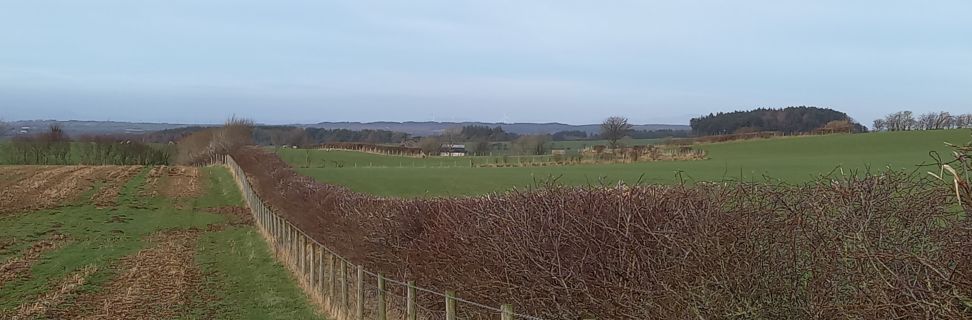
To cut or not to cut? That IS the question! Early autumn is the time of year that hedges are booked in for their annual trim, but how soon should you cut? Hedgerows require management to stay in shape, and good management practices keep hedgerows healthy and increase their longevity. But what is…
SRUC Barony Open Days 8 October and 26 November 2026

University of Lancashire Open Days 11 October and 21 November 2026

Lakes College Open Evenings 17 October and 18 November 2026