My name is Amy Smiles and I’m an Assistant Forest Manager at the Lowther Estate in Cumbria. I help look after around 1,500 hectares of mixed woodland, as well as helping to expand the estate’s woodlands through new woodland creation projects. The estate has a strong focus on conservation, and we manage our woodlands for a mixture of timber production, wildlife, biodiversity and the long-term health of the forests.
My role is really varied, which is one of my favourite things about it because no two days are the same. I can be planning and delivering forestry operations, applying for grants, working with contractors, surveying woodlands, or designing and delivering new woodland creation projects.
I work as part of a small team alongside our Forest Manager, Conservation Manager and Ecologist, so we work closely together to make sure forestry and conservation go hand in hand.
Although there is some office-based work, I spend a lot of my time outdoors across the estate. My favourite part of the job is probably that combination of being outside, working with different people and being involved in projects that will have a positive impact for many years to come. With forestry, some of the trees we plant and decisions we make today will still be having an impact long after our own careers have finished, which is quite special.
I didn't actually know that jobs like mine existed when I was at school, so my route into forestry hasn't been a traditional one.
I started my career in the countryside sector when I was about 23, after completing a diploma in Countryside Management. From there, I spent around ten years working in various practical roles, including grounds maintenance and conservation ranger work. This gave me a lot of hands-on experience and helped me understand how land and habitats are managed in practice.
I then had the opportunity to apply for my current role through the Forestry Degree Apprenticeship with the University of Cumbria, which I am now in the final year of. The apprenticeship has allowed me to gain a degree while working in forestry at the same time, so I can put what I'm learning into practice.
I wouldn't say there was one particular school subject that got me into forestry. Subjects such as geography, biology and environmental science can definitely be useful, but forestry also involves maths, English, IT, communication, problem-solving and practical skills. You don't necessarily need to have your whole career mapped out or have studied specific subjects to find your way into the sector.
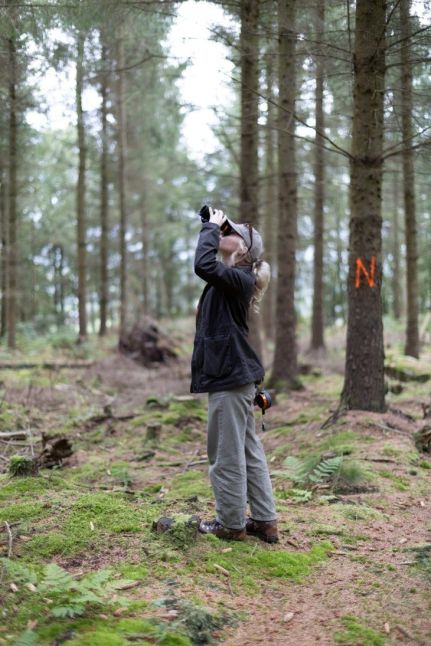
My biggest piece of advice would be to get out there and gain some practical experience. That could be through volunteering, an apprenticeship, work experience, a countryside job or even something like grounds maintenance. Getting hands-on experience helps you develop practical skills, but it also gives you the chance to meet people working in the sector and discover which areas you enjoy most.
Forestry and conservation cover such a wide range of careers. You could find yourself working practically outdoors, operating machinery, managing forests, working in ecology and conservation, using mapping and technology, or planning new woodlands.
I didn't discover this career path until I was 23, and it has turned out to be one of the most rewarding things I've done. You don't have to know exactly what you want to do at 14, 16 or 18. Be willing to try things, ask questions and take opportunities when they come along.
I've found forestry and the wider countryside sector to be a really friendly and supportive industry, and there are lots of different ways into it. For me, gaining those skills and experience on the ground gave me the foundations to keep progressing and ultimately led me to the job I'm doing today.
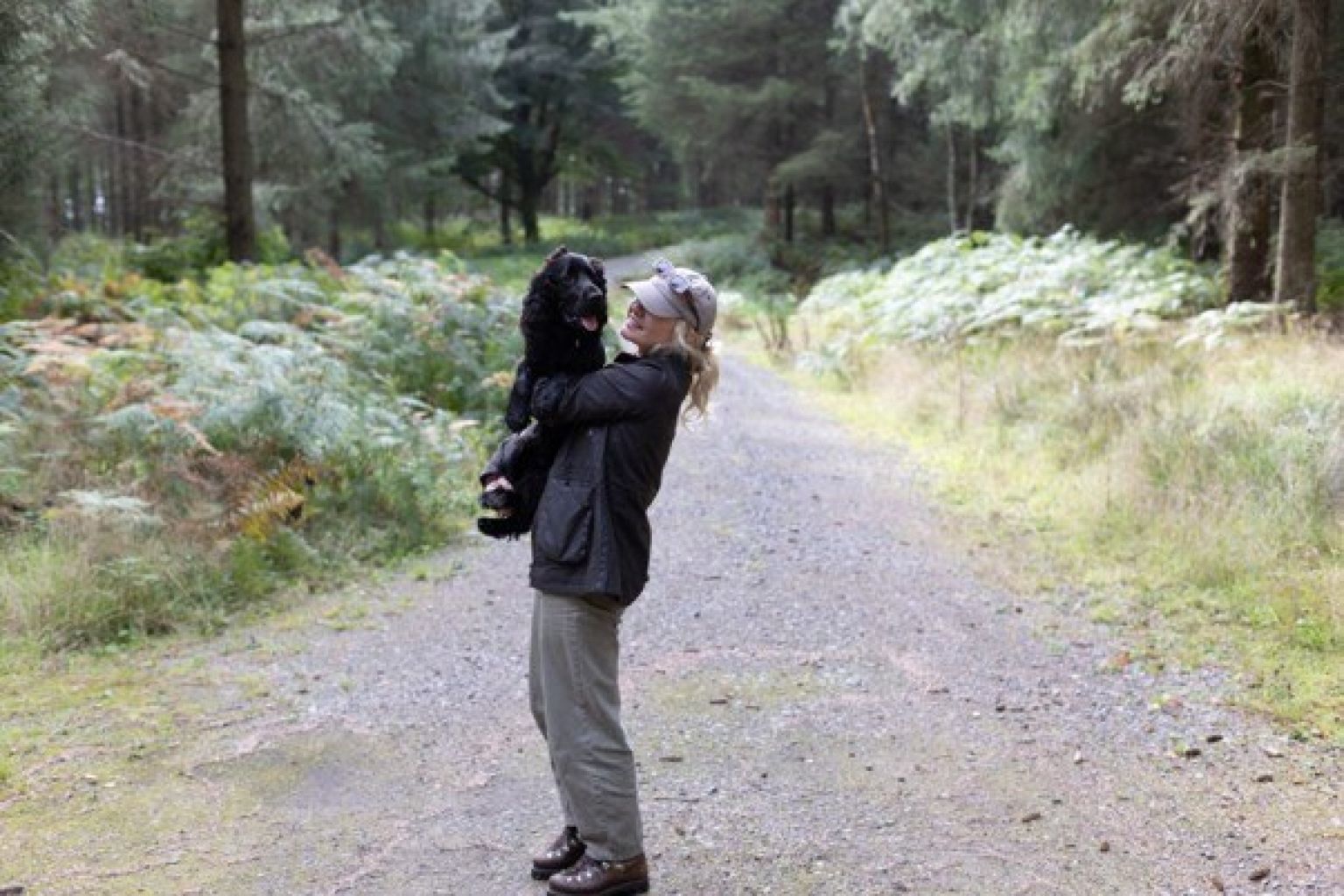
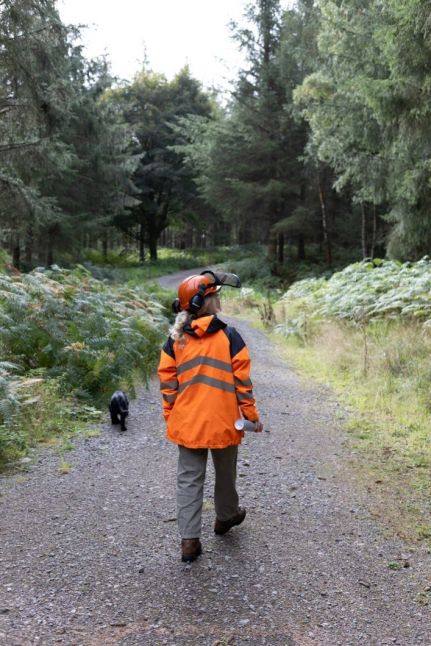
Amy and her dog Moose!
Search the LANSS database for your next course or opportunity
Forestry + Woodlands