
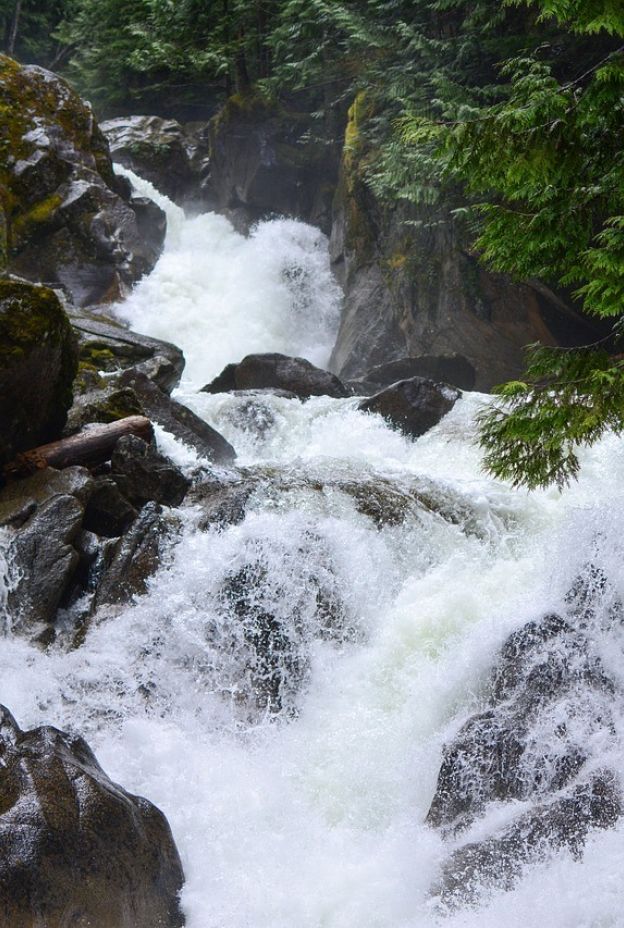
There is a lot of information you can look at prior to heading out on site, to provide you with a better understanding of your catchment, target your field surveys and identify potential restoration measures. This one-day course will help you find, collate, display and interpret existing data for your river restoration projects or catchment strategy. Existing data on flood risk, geology, terrain, land use etc. provide evidence and justification for projects and help target field work and restoration action. As part of the course, we will discuss the data required to achieve project priorities, we will show you how to find, download and display available datasets, and help you analyse them and produce meaningful outputs. We will use a case study example to practice and demonstrate how to apply a desktop assessment to pressure and impact evaluation for building a river restoration strategy. This course is open to anybody with a basic knowledge in river restoration and hydromorphology. Although not required, prior attendance of the Introduction to Hydromorphology (Level 1) course or the Developing a Catchment-wide restoration plan course can be beneficial. No prior knowledge of GIS or data analysis techniques is required for the course.

We have designed this course as a hybrid learning experience. Course materials will be found on the online learning platform, allowing participants to work through them at their own pace over a 4-week period. Afterward, we will host an online discussion session where all attendees can join and engage in a conversation about the material.
Enquire
Courses are run on demand and usually last for 3 days (including assessment) Get in touch on 07855571312 or ctlogue@aol.com
Courses include the following: Safe Use of Pesticides (PA1) Boom Mounted Sprayers (PA2) Variable Geometry Boom Sprayers (PA3) Slug Pellets and Granular Applications (PA4) Hand Held Applicators (PA6) including Application in or near Water (PA6AW), Stem Injection, Stump Treatment, Invasive Weeds…
Our degree teaching takes places Monday-Friday with a flexible timetable.
Given the pace at which our planet is changing, there has never been a more important time to study geography. Learn to make sense of the complex interactions between humanity and our planetary environment and discover how you can make a positive difference.
Our degree teaching takes places Monday-Friday with a flexible timetable.
Environmental scientists are essential to tackling the most pressing environmental challenges of our time. From extreme weather events and climate change to green energy. By choosing to do a degree in environmental science, you will embark on an exciting and vital exploration of natural…
Our degree teaching takes places Monday-Friday with a flexible timetable.
Earth scientists are essential to tackling the most pressing environmental challenges of our time. From geological hazards to resource provision and climate change, they research current issues to uncover future solutions. By choosing to do a degree in Earth and environmental science, you will…
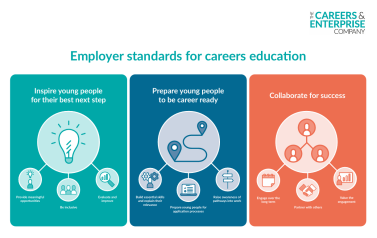
The Employer Standards Framework
DfE consultation on GCSE Natural History subject content
Cumbria Business Growth Hub - New grant scheme open for rural businesses